
Advancements in Physiotherapy: Exploring New Techniques and Technologies
Discover the latest breakthroughs in physiotherapy, from cutting-edge techniques to innovative technologies revolutionizing patient care.
Introduction
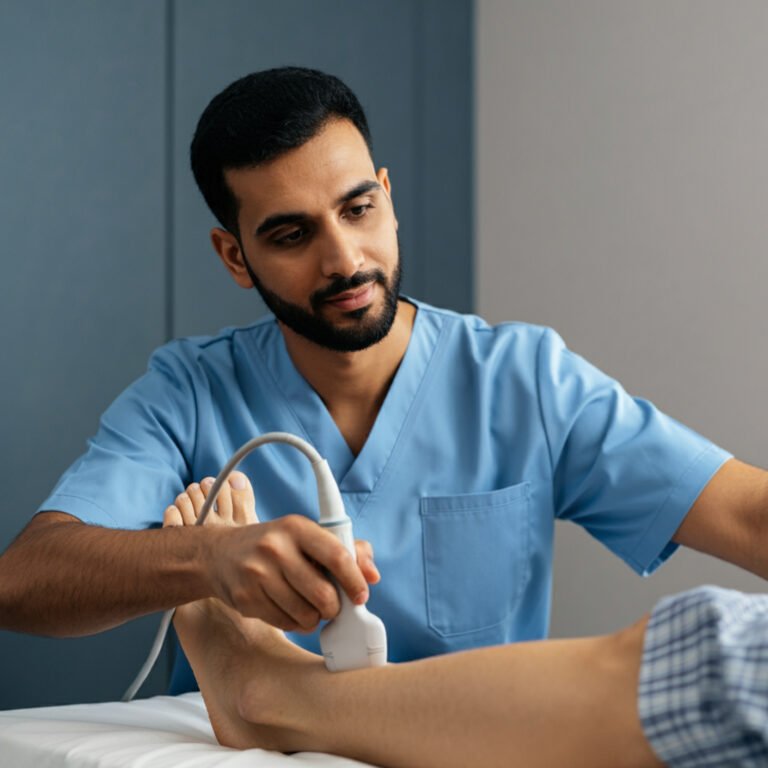
Physiotherapy has evolved significantly over the years, incorporating cutting-edge techniques and advanced technologies to improve treatment outcomes. Modern physiotherapy is no longer limited to manual exercises and basic rehabilitation; it now integrates innovative solutions that enhance recovery, reduce pain, and promote overall well-being.
In this blog, we will explore some of the latest advancements in physiotherapy and how they are transforming patient care.
1. Wearable Technology for Rehabilitation
Wearable devices are revolutionizing physiotherapy by providing real-time feedback and tracking patient progress. These devices include:
✅ Smart Insoles and Posture Monitors – Help detect gait abnormalities and posture issues.
✅ Activity Trackers and Motion Sensors – Monitor movement patterns and range of motion.
✅ Exoskeletons and Assistive Devices – Aid in rehabilitation for neurological conditions and mobility impairments.
Wearables provide physiotherapists with valuable data, allowing for more personalized treatment plans.
2. Virtual Reality (VR) and Augmented Reality (AR) in Physiotherapy
Virtual and augmented reality are transforming rehabilitation by making therapy sessions more engaging and effective.
🔹 VR-Based Rehab Programs: Patients perform exercises in immersive environments, which improve motivation and adherence.
🔹 AR-Assisted Postural Correction: AR overlays real-time guidance on a patient’s movements, helping them correct posture and enhance mobility.
🔹 Pain Distraction Therapy: VR is used to distract patients from chronic pain by immersing them in relaxing, interactive experiences.
3. Robotics and AI-Assisted Physiotherapy
Robotics and artificial intelligence (AI) have led to groundbreaking innovations in rehabilitation. Some notable advancements include:
🤖 Robotic-Assisted Therapy: Used for stroke rehabilitation, robotic devices help patients regain movement in their limbs by providing guided support.
🧠 AI-Powered Movement Analysis: AI algorithms analyze movement patterns to provide customized exercise recommendations.
🏃 Automated Gait Training Systems: Help individuals relearn walking patterns after an injury or surgery.
These technologies ensure precision in treatment and improve rehabilitation efficiency.
4. Electrotherapy and Neuromuscular Stimulation
Electrotherapy has become a vital component of modern physiotherapy, offering non-invasive pain relief and muscle stimulation.
⚡ TENS (Transcutaneous Electrical Nerve Stimulation): Blocks pain signals and enhances circulation.
⚡ NMES (Neuromuscular Electrical Stimulation): Stimulates muscles to prevent atrophy and improve strength.
⚡ Shockwave Therapy: Uses high-energy acoustic waves to treat musculoskeletal disorders.
These methods help accelerate healing and reduce pain effectively.
5. Tele-Rehabilitation and Online Physiotherapy
Telehealth has made physiotherapy more accessible, allowing patients to receive treatment from the comfort of their homes.
📱 Virtual Consultations: Patients can connect with physiotherapists via video calls for guided sessions.
📱 AI-Based Home Exercise Programs: Smart apps provide tailored exercise plans based on AI analysis.
📱 Remote Monitoring Tools: Physiotherapists track progress remotely using connected devices.
Tele-rehabilitation ensures continuity of care, especially for individuals in remote locations or those with mobility challenges.
6. Hydrotherapy and Aquatic Physiotherapy
Water-based rehabilitation is gaining popularity due to its low-impact benefits.
🌊 Buoyancy-Assisted Exercises: Reduce joint stress and improve mobility.
🌊 Resistance Training in Water: Strengthens muscles without the risk of strain.
🌊 Thermal Water Therapy: Relieves pain and enhances circulation.
Hydrotherapy is particularly beneficial for individuals with arthritis, post-surgical recovery, and chronic pain conditions
Conclusion
The field of physiotherapy is rapidly advancing with new technologies and innovative treatments that enhance recovery and improve patient outcomes. From wearable devices and robotics to virtual reality and electrotherapy, these advancements are making physiotherapy more precise, engaging, and effective.
As technology continues to evolve, physiotherapists will have even more tools to provide high-quality care, ensuring better mobility, pain relief, and overall health for patients. If you’re considering physiotherapy, exploring these modern treatment options can help you achieve the best results.
Leave a Reply