
How Physiotherapy Supports Post-Surgery Recovery
Physiotherapy promotes faster recovery by improving movement, reducing pain, and preventing stiffness post-surgery. A structured physiotherapy plan speeds up healing and prevents complications after surgery.
Thank you for reading this post, don’t forget to subscribe! 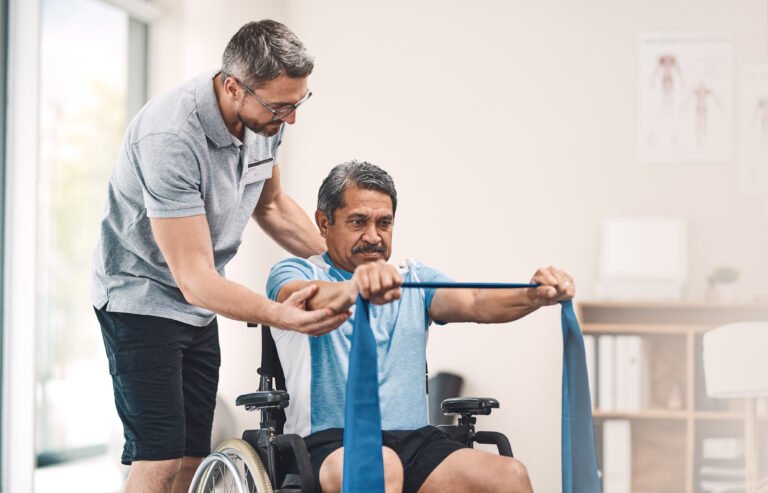
Introduction
Recovering from surgery can be a long and challenging process. Whether it’s a knee replacement, spinal surgery, or any other procedure, regaining mobility and strength is crucial for a successful recovery. Physiotherapy plays a vital role in post-surgery rehabilitation, helping patients reduce pain, restore movement, and regain independence.
In this blog, we’ll explore how physiotherapy supports post-surgical recovery, the types of techniques used, and why it is essential for long-term well-being.
1. Why Physiotherapy Is Essential After Surgery
The Truth:
Surgery, while often necessary, can result in stiffness, weakness, and loss of function. Without proper rehabilitation, patients may face prolonged discomfort and limited mobility. Physiotherapy helps in:
✅ Pain Management: Reducing post-operative pain through targeted techniques.
✅ Restoring Mobility: Preventing stiffness and improving joint flexibility.
✅ Strengthening Muscles: Rebuilding muscle strength and endurance.
✅ Preventing Complications: Reducing the risk of blood clots, infections, or secondary injuries.
✅ Boosting Confidence: Helping patients return to daily activities with ease.
2. Key Physiotherapy Techniques for Post-Surgical Recovery
Physiotherapists use a variety of techniques to aid recovery, tailored to the patient’s specific needs. Some common approaches include:
A. Manual Therapy
This involves hands-on techniques to improve mobility and reduce pain:
- Joint Mobilization: Improves range of motion and flexibility.
- Soft Tissue Manipulation: Reduces scar tissue formation and promotes circulation.
B. Strength and Mobility Exercises
Rebuilding strength is a crucial part of recovery. Common exercises include:
- Isometric Exercises: Low-impact exercises to engage muscles without excessive movement.
- Resistance Training: Helps regain strength in affected areas.
- Balance Training: Improves stability and prevents falls.
C. Electrotherapy
Physiotherapists often use electrotherapy to speed up recovery:
- TENS (Transcutaneous Electrical Nerve Stimulation): Reduces pain by sending electrical pulses to nerves.
- Ultrasound Therapy: Enhances tissue healing and reduces inflammation.
D. Breathing and Circulatory Exercises
After surgeries, especially cardiac and abdominal procedures, proper breathing techniques are essential:
- Diaphragmatic Breathing: Improves oxygen intake and lung function.
- Ankle Pumping Exercises: Prevents blood clot formation in bedridden patients.
3. The Phases of Post-Surgery Physiotherapy
Post-surgical rehabilitation is divided into different phases:
Phase 1: Acute Recovery (0-2 weeks)
- Pain management strategies.
- Gentle range-of-motion exercises.
- Prevention of complications like deep vein thrombosis (DVT).
Phase 2: Strengthening and Mobilization (2-6 weeks)
- Progressive strength-building exercises.
- Walking and weight-bearing activities.
- Postural corrections and mobility training.
Phase 3: Functional Recovery (6+ weeks)
- High-level rehabilitation tailored to daily activities.
- Sport-specific or occupation-specific training.
- Return to full function and prevention of re-injury.
4. Tips for a Successful Post-Surgical Recovery
✅ Follow Your Physiotherapist’s Guidance: Stick to your prescribed exercises and therapy sessions.
✅ Stay Hydrated and Maintain a Healthy Diet: Nutrition plays a key role in tissue healing.
✅ Manage Pain Properly: Use prescribed pain-relief methods such as cold packs or relaxation techniques.
✅ Be Patient and Consistent: Recovery takes time, so trust the process and stay committed.
✅ Monitor for Warning Signs: If you experience unusual pain, swelling, or infection, contact your healthcare provider immediately.
Conclusion
Physiotherapy is a crucial part of post-surgery recovery, ensuring that patients regain strength, mobility, and confidence in their movements. With the right rehabilitation plan, individuals can recover faster, avoid complications, and return to their normal routines without setbacks.
If you or a loved one is recovering from surgery, consulting a qualified physiotherapist can make a significant difference in the healing process. Prioritize your recovery today for a healthier, stronger future!